'STRONGER TOGETHER' – CELEBRATING A NEW ERA OF COMMUNITY - LED ACTION FOR BIRMINGHAM
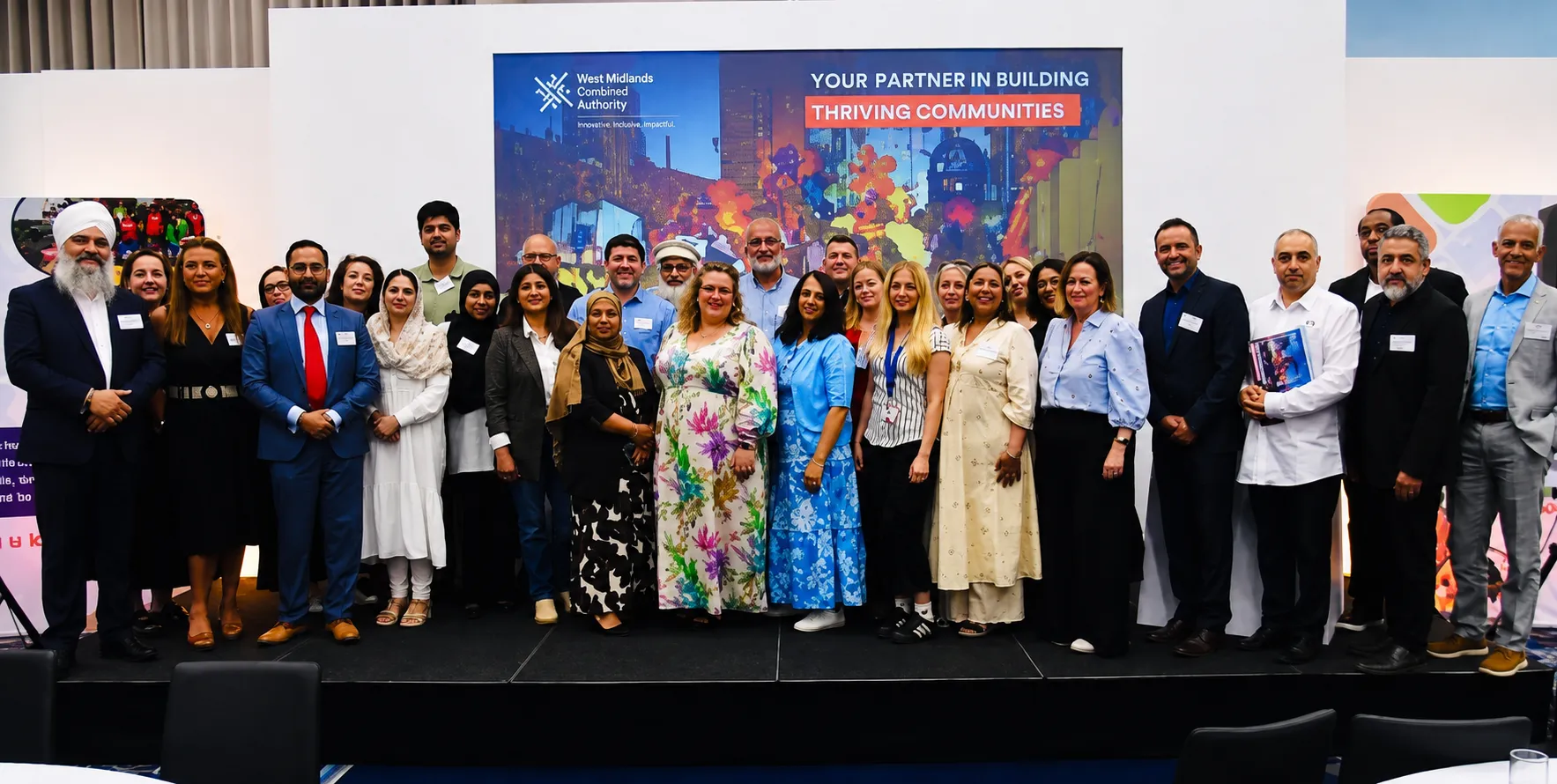
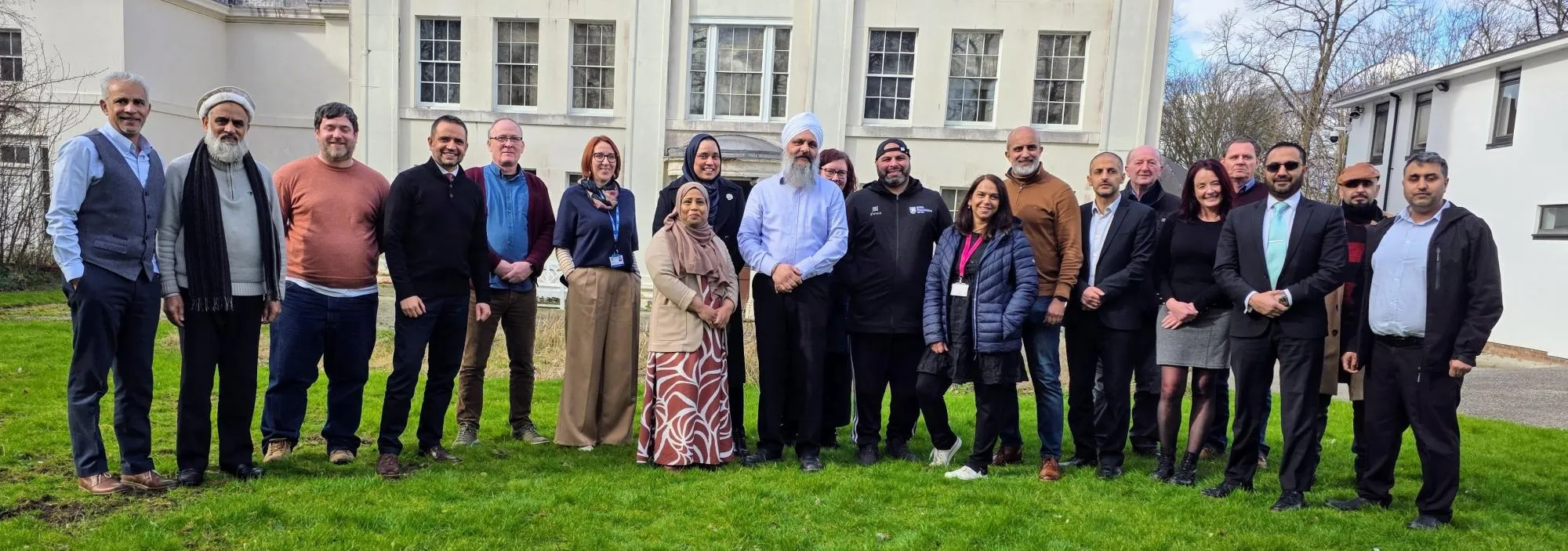
An exciting new era of engagement and collaboration has officially launched when 21 of Birmingham’s most respected organisations joined forces to drive positive and impactful change across the city.
The Birmingham Community Action Network (B:CAN) has been established to address longstanding challenges faced by residents throughout the city, with the goal of transforming lives and revitalizing neighbourhoods.
United by a shared mission, we strive to ensure residents can access the services and resources they need to live well in their neighbourhoods. In challenging times, B:CAN brings together local expertise to co-ordinate support at a neighbourhood level and influence funding decisions so resources land where they matter most. Together, we’re building stronger, more connected communities.
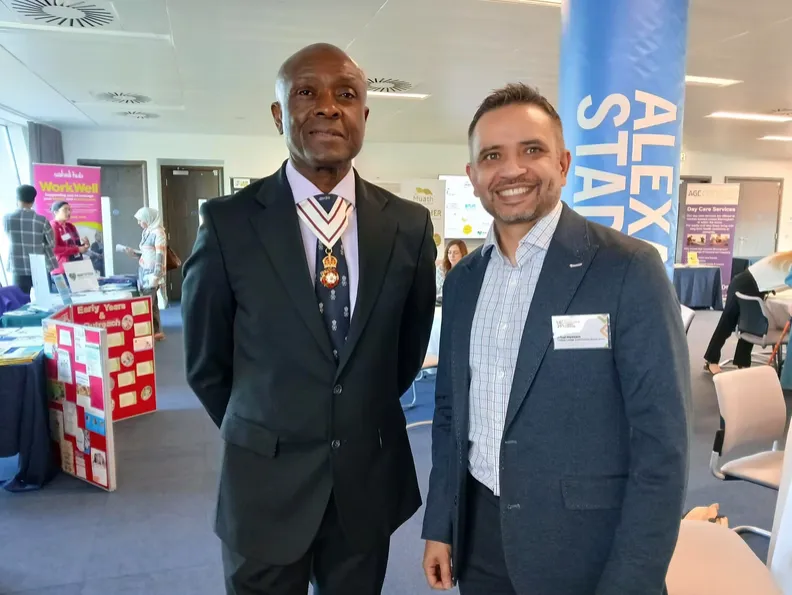
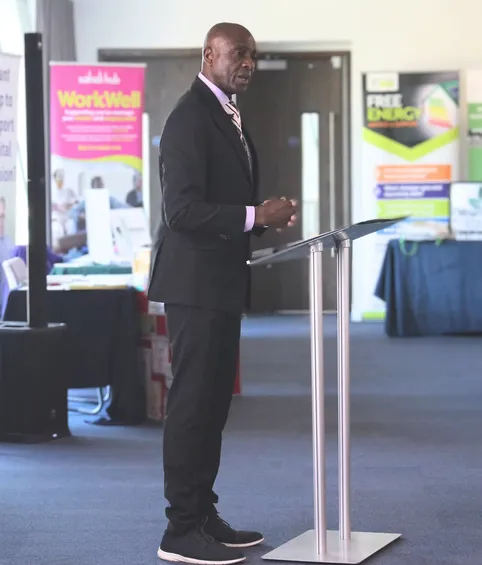
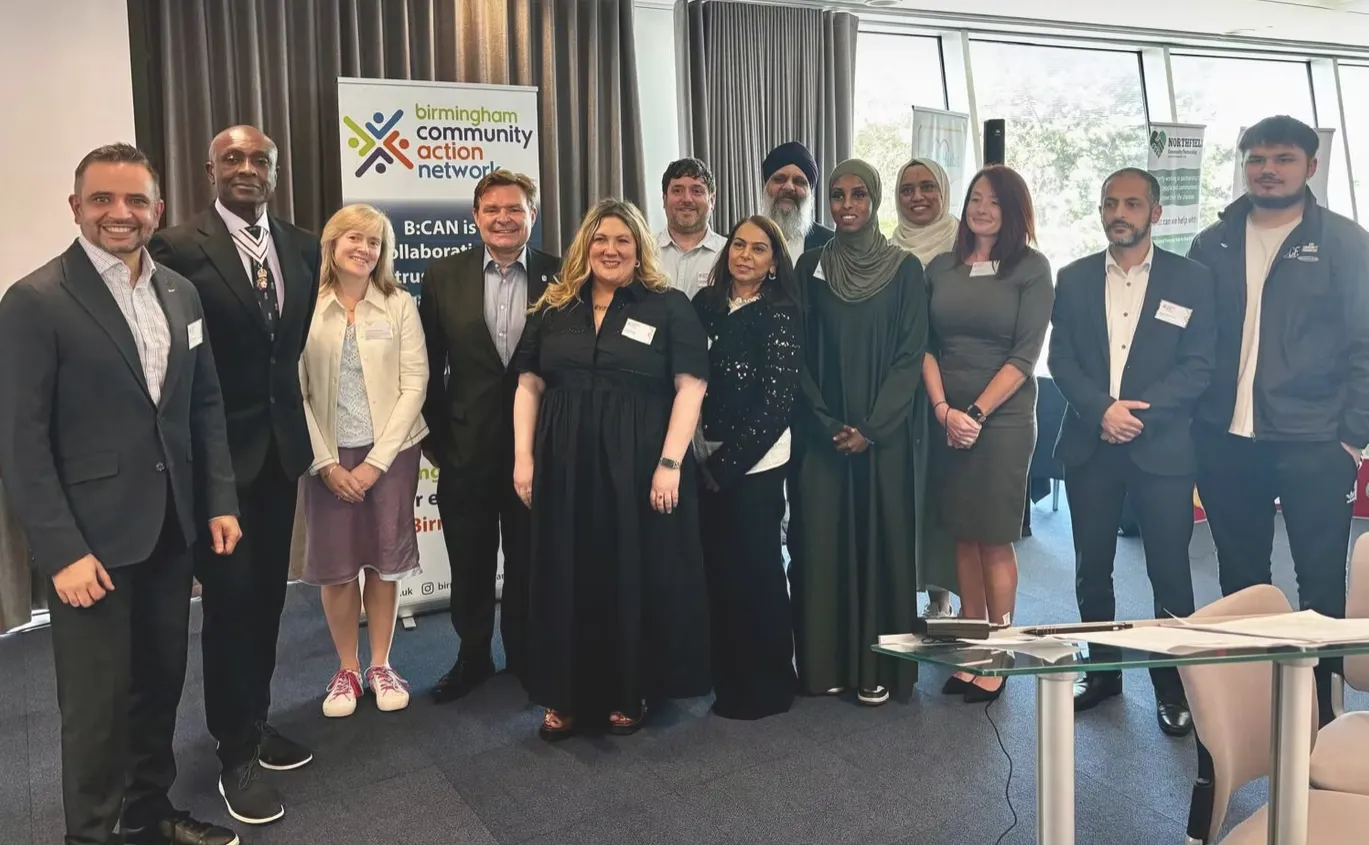
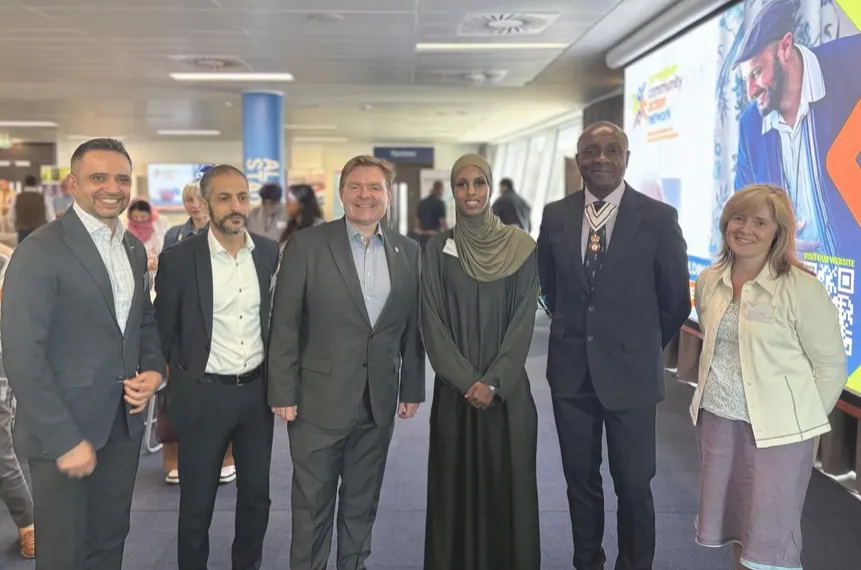
The Lord Lieutenant of the West Midlands, Derrick Anderson CBE, City Council leader, Councillor John Cotton and Suzanne Cleary, Deputy CEO at Birmingham Community Healthcare NHS Foundation Trust were among those presenting at Alexander Stadium, to more than 140 passionate and expectant stakeholders who have connected through the new partnership.
B:CAN has already implemented several initiatives across Birmingham; helping residents to navigate the cost-of-living crisis and reduce fuel poverty. With deep roots in local communities and a proven track record of amplifying resident voices, member organisations have now committed to pooling their resources and expertise to proactively tackle issues through community-led action.
Afzal Hussain, Chief Officer at Witton Lodge Community Association, is Chair of B:CAN. He opened proceedings.
“While we are here to celebrate all that is great in our city, there are still many challenges to face,” he said
“For many years, the levels of inequality and deprivation in Birmingham have been hard to shift. We believe, one main reason for this is that the local community has been absent from the decision-making process. We need to change the narrative from doing TO the communities to doing WITH the communities.
“An asset-based approach which focusses on delivering effective change where it is needed and matters most, can help vulnerable residents in our city’s most deprived areas.